Two Pilgrim Grand Hotel describes generous suites with reading corners and handsome furnishings. That is an appealing invitation to slow down, but a chair in a photograph tells only part of the story. A suite reading corner needs useful light, comfortable seating and a position that fits the way you share the room after an evening out.
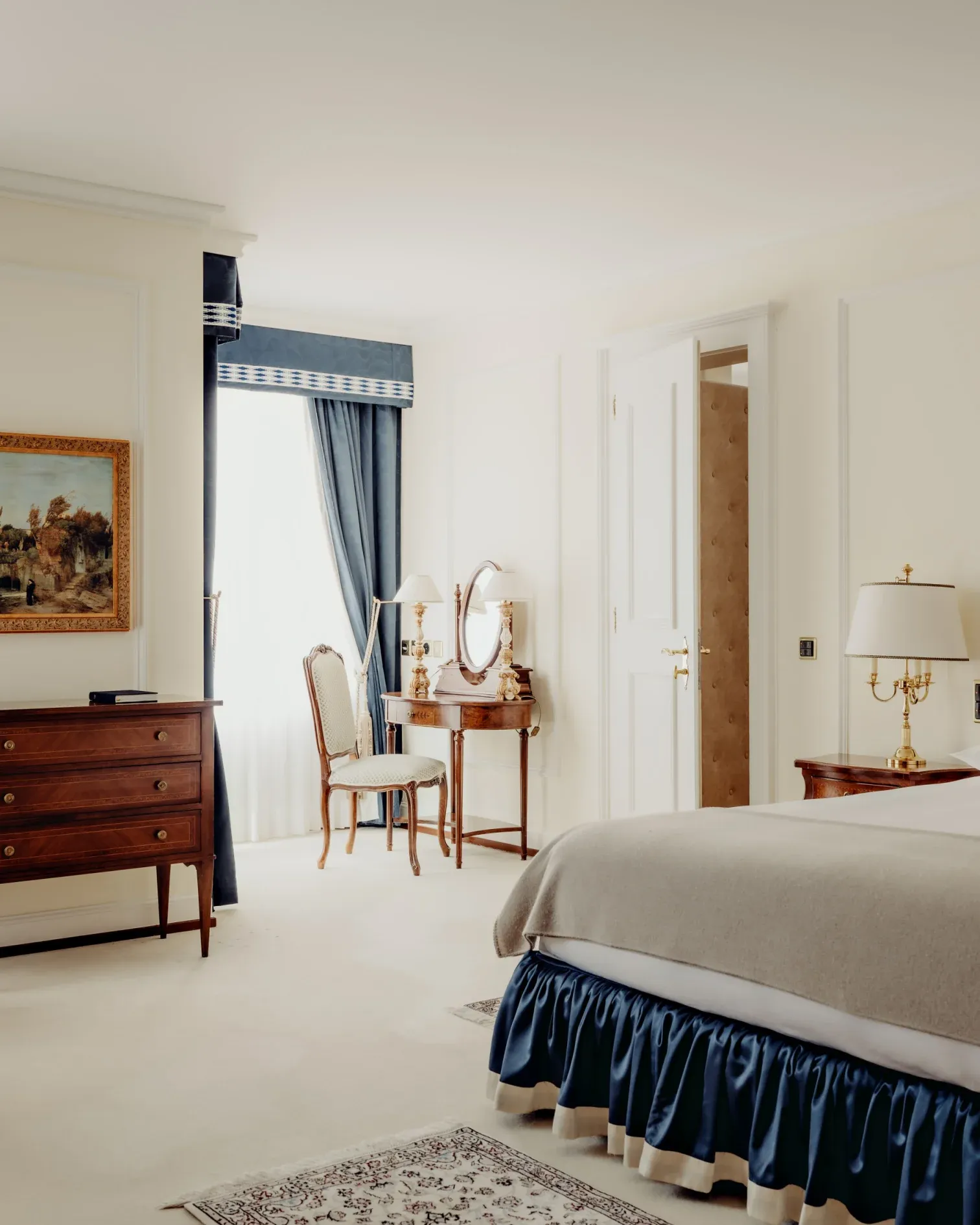
Read the photograph as a partial view
Start with what is actually visible. A side table may hold a book, while a lamp may be decorative rather than adjustable. A wide photograph can make the space between furniture seem generous without showing the route from the door to the bed. Note these details as questions, rather than filling the gaps with assumptions about a particular suite.
Then connect the photograph to the room category you intend to reserve. Ask whether the image represents that category and whether layouts vary. A hotel may describe a suite collection in broad terms while allocating different arrangements within it. In 2026, the relevant description is the one confirmed for your booking, not an old image saved from another visit.
Look for relationships between objects
- A lamp near the chair, with a usable direction of light.
- A surface within reach for a book or a glass of water.
- A clear route past the seating area to the bed and door.
Think about the room after dark
A bright daytime window does not explain evening comfort. If you like reading before sleep, ask about the nearby lamp and its controls. If a companion goes to bed earlier, consider whether the seating area and bed share the same light. A suite reading corner can look private while still being part of one open room; a photograph cannot promise separation.
Sound deserves a separate question. The distance from a salon, lift or public corridor may matter more to you than a river view. Ask for the room position that suits your priorities and distinguish a preference from a guaranteed allocation. The aim is to understand the likely arrangement, without expecting a staff member to promise complete silence.
Once in the room, try the chair and light before unpacking around them. Notice whether you can sit without blocking a drawer or leaving a bag in the walking route. If a control is unfamiliar, ask how it works rather than moving a lamp or pulling furniture across the floor. A quick check while you are settling in gives you a chance to raise a practical difficulty before bedtime.
| Your preference | Detail to confirm |
|---|---|
| Reading while another person rests | Light controls and separation from the bed |
| Unpacking without moving furniture | Clear circulation and luggage space |
| A slower morning in the room | Seating and a practical nearby surface |
Turn a preference into a clear enquiry
- Choose the comfort detail that matters most.
- Ask about the exact room category and its variations.
- Keep the reply with your reservation confirmation.
Ask for details, not a luxury label
Words such as grand or VIP describe an atmosphere, but they do not answer a question about chair height, step-free access or an available socket. Explain the practical need briefly. A precise enquiry helps staff give a useful answer and helps you compare rooms on the same basis. Avoid adding so many minor preferences that your main requirement disappears.
The room also sits within a wider trip. After a long journey, seating may matter immediately; the arrival planning article keeps that first hour in view. Later, the dinner and music guide leaves room for returning upstairs early. Comfort is useful precisely because every evening need not end the same way.
Author’s opinion
I find a well-positioned chair more persuasive than an impressive room label, provided the light and layout suit the stay. I would ask one clear question about reading while a companion sleeps, then accept that a photograph cannot settle everything. A restful suite is a place where ordinary habits fit comfortably, not simply a room that looks grand.
Author: Maud Alder Brookstone. Publisher: Two Pilgrim Room Detail Review.